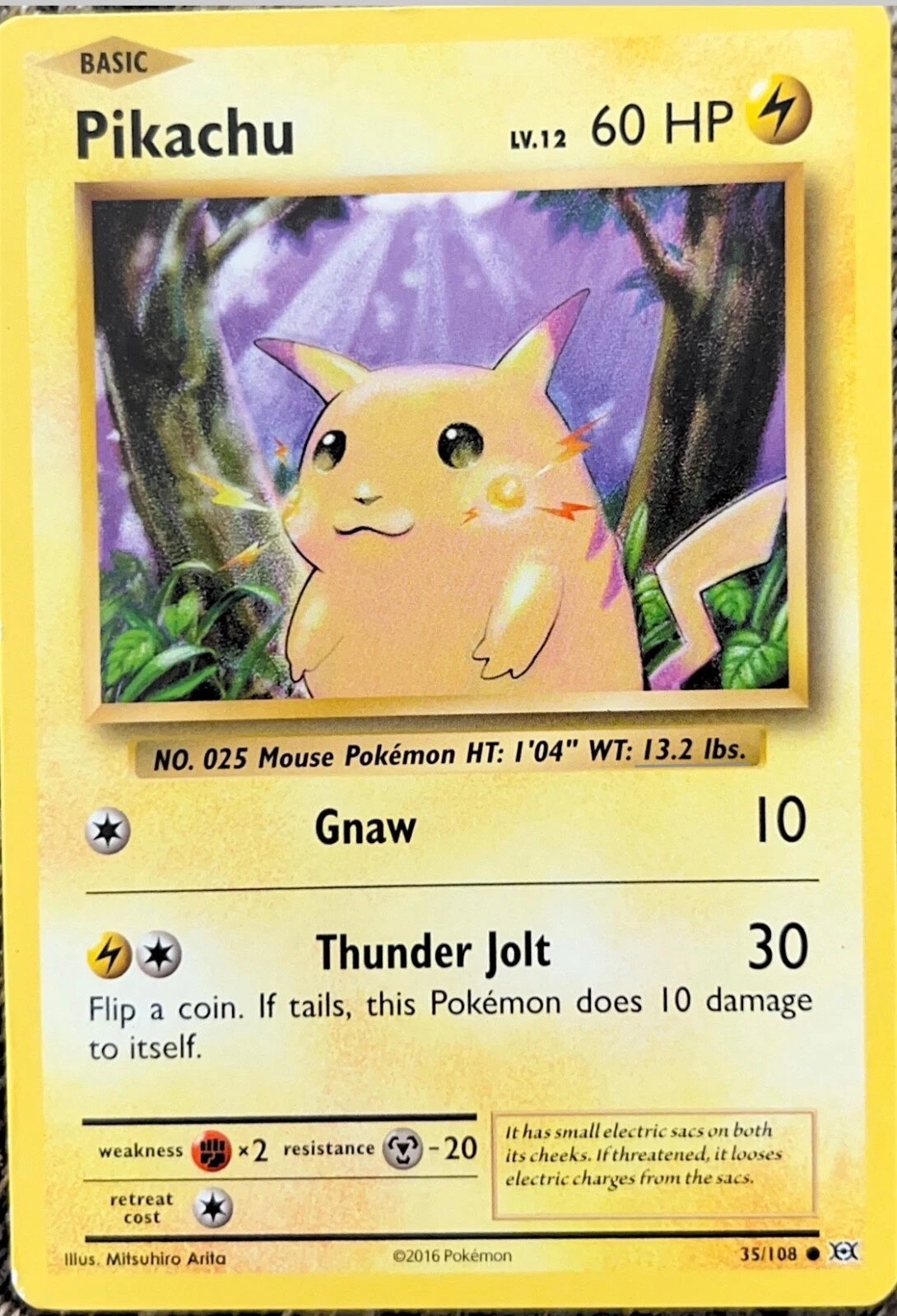
In the world of Pokémon trading card collecting, few themes have captured the internet’s attention quite like the “Fat Pikachu” craze—a playful name given to Pikachu cards and designs featuring the electric mascot in chunkier, nostalgic, or standout styles. While Pokémon cards have always been a mainstay of the collectibles market, Pikachu‑themed pieces—especially unique and meme‑worthy variations—are currently trending hard among fans, investors, and pop‑culture enthusiasts alike.
What Is “Fat Pikachu”?
The term “Fat Pikachu” mostly comes from early Pokémon games where the original Pikachu sprite appeared noticeably rounder than modern redesigns—an image that has since become a meme and cultural reference point within the community. It’s used playfully to describe versions of Pikachu cards that look chubbier, cuter, or just different from the typical sleek form.
Collectors have embraced this concept for cards that celebrate that classic look—and even hobbyists use the nickname “Chonkachu” or similar pet names for fun online.
Why Pikachu Cards Still Matter in 2026
Pikachu remains the most recognized Pokémon in the TCG universe. While other cards like Charizard often dominate dollar value lists, Pikachu cards carry enormous cultural weight and nostalgic appeal. For example, the Pikachu Illustrator card—one of the rarest and most valuable TCG pieces ever — has recently seen massive sales increases, with a PSA‑graded example selling for over $600,000 at auction.
This kind of headline-grabbing price movement keeps Pikachu in the spotlight and fuels collector interest even in less expensive or meme-oriented variations like “Fat Pikachu” styles.
The Van Gogh Pikachu Connection and Major Events
Beyond meme culture, Pikachu cards have also been highlighted at major trading card showcases. A recent card festival in Hong Kong—drawing record attendance—debuted a massive wall made of hundreds of PSA 10 Pikachu cards featuring a special design inspired by Van Gogh’s artwork. The installation helped underscore Pokémon cards’ crossover between art, nostalgia, and collector culture, and the broader trend driving interest in unique Pikachu pieces.
While this “Van Gogh Pikachu” isn’t necessarily a classic Fat Pikachu, it reflects how Pikachu—especially versions with creative art or limited editions—is central to broader Pokémon card passion and market growth.
Market Behavior and Collector Buzz
Official Pokémon card sales data and collector discussions suggest that Pikachu‑themed cards—including quirky promo art, special editions, and early artwork—are moving steadily in the TCG market. Even standard Pikachu promos, like the “Pikachu with Grey Felt Hat,” have seen notable price movement and interest among collectors, rising in value in part due to strategic buying and scarcity patterns.
On fan forums and social media, posts about Pikachu cards—especially ones with eye‑catching visuals or story appeal—often garner strong engagement, with fans calling out “Fat Pikachu” as both a nostalgic throwback and a light‑hearted centerpiece of modern collecting discussion.
What This Trend Means for Collectors
Nostalgia drives demand: Pikachu’s status as the face of Pokémon ensures it never loses relevance to collectors.
Memes + culture = market buzz: Internet culture—including the Fat Pikachu meme—keeps discussion and interest high.
Unique art and promo cards matter: Special editions like Van Gogh‑inspired designs or other creative prints help expand interest beyond classic rarity value.
Accessible entry point: Unlike rare vintage cards that fetch hundreds of thousands of dollars, many fun Pikachu cards are affordable and appealing to new collectors just getting into the hobby.
The Bigger Picture: Pokémon TCG in 2026
Though “Fat Pikachu” itself may be more of a community nickname and meme concept than a specific card, interest in Pikachu‑related cards and designs reflects a broader trend in the Pokémon TCG market: strong demand, cultural resonance, and continued growth driven by nostalgia and pop‑culture relevance. The overall Pokémon TCG market remains healthy and dynamic as collectors balance iconic vintage pieces with fun modern favorites.