The January 19, 2026, FIFA/Coca-Cola Men’s World Rankings have brought plenty of fresh talking points for international football fans worldwide—from historic rises by African nations to the continued strength of Europe’s elite.
Top of the Table: Spain Holds Firm
At the summit of the men’s world rankings sits Spain, leading the global standings with 1877.18 points. The Spanish national team has remained steady in the No. 1 position, showcasing its consistency at the highest level of international competition. Argentina follows closely in second place with 1873.33 points, while France completes the top three with 1870.00 points.
The broader top 10 also features other traditional powers:
Spain
Argentina
France
England
Brazil
Portugal
Netherlands
Morocco
Belgium
Germany
Historic Highs for African Football
One of the standout stories of this ranking update is the surge of African teams, particularly Morocco and Senegal:
Morocco’s Atlas Lions climbed to 8th place, reaching their highest FIFA ranking of all time. It’s a significant achievement and their first return to the top 10 in nearly three decades, powered largely by strong performances at the 2025 Africa Cup of Nations (AFCON).
Senegal, winners of AFCON 2025, also made impressive gains—moving up seven places to 12th, reflecting their continental success and momentum on the global stage.
Other African nations enjoyed positive movement too, including Nigeria (up to 26th) and Cameroon (up to 45th), signaling a broader rise in competitiveness across the continent.
Shifts and Trends Across the Rankings
Beyond the headline changes, there were several interesting trends and movements:
CAF (African Football Confederation) now boasts nine teams in the top 50, an increase that underscores the growing influence of African football on the world stage.
Several European giants like Belgium and Germany dropped slightly in the rankings due to relative point changes, while Italy and Colombia also shifted positions just outside the top 10.
Emerging teams like Kosovo saw modest gains, reflecting competitive improvements in other international windows.
What Drives the FIFA Rankings?
FIFA’s ranking system evaluates national teams based on competitive and friendly match results, assigning points based on results, match importance, and opponent strength. The current method, adopted in 2018, uses an Elo-inspired calculation that strives to reflect recent performance more accurately.
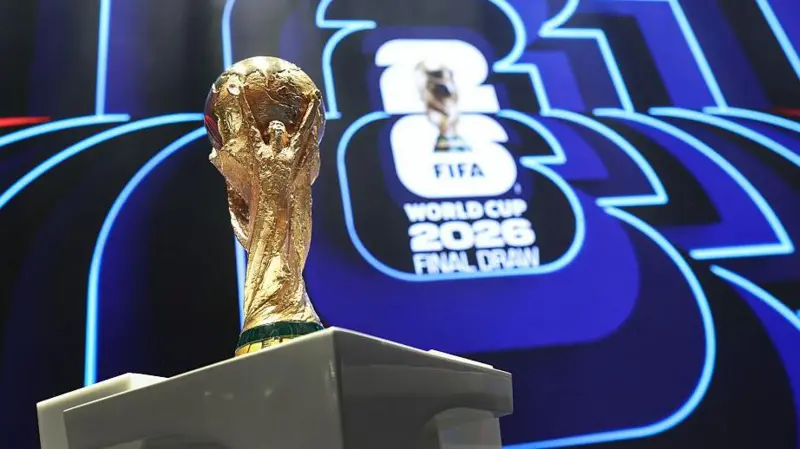
These rankings not only offer bragging rights but also influence seedings for major tournaments, including the upcoming 2026 FIFA World Cup, where positioning can have a major impact on group draws and knockout paths.
What This Means Going Forward
Spain’s leadership highlights their strong project and consistency in international football.
Argentina and France remain elite contenders, while England, Brazil, and Portugal are all firmly within the top tier.
The rise of Morocco and Senegal illustrates the increasingly competitive global landscape beyond Europe and South America.
The next FIFA World Ranking update will be published in April 2026, giving teams another chance to climb the ladder as they prepare for World Cup qualification and international friendlies.