The signed sports memorabilia market is entering a period of rapid evolution and unprecedented growth. From 2024 to 2033, experts project that a combination of technological innovation, global expansion, and shifting collector demographics will shape the market, creating both opportunities and challenges for investors, fans, and businesses alike.
Market Overview
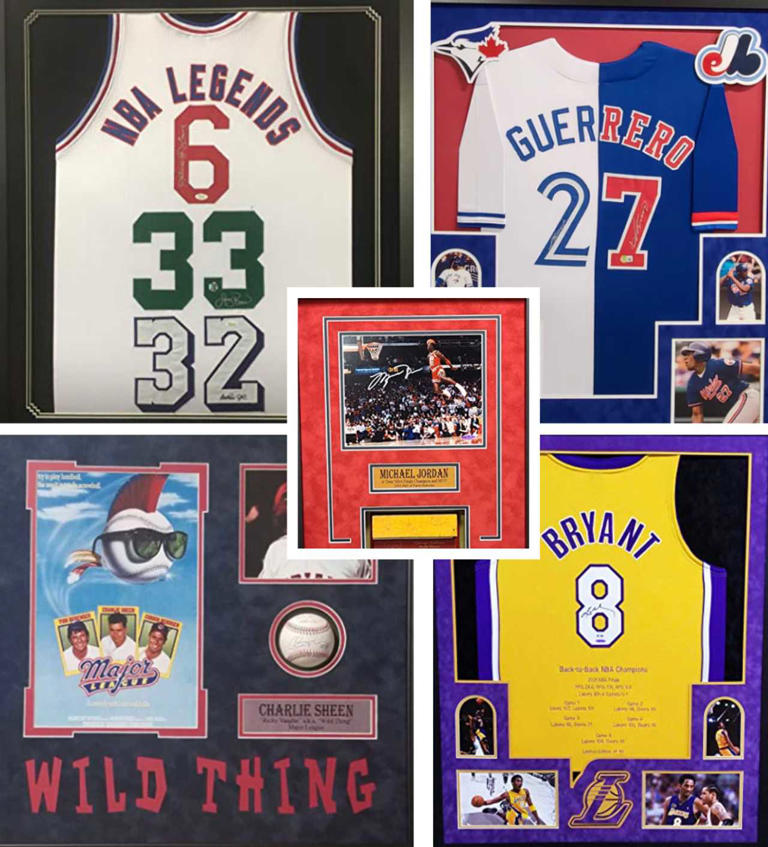
Signed memorabilia—including jerseys, trading cards, helmets, balls, and other collectibles autographed by athletes—continues to command strong demand. While historically dominated by legendary figures like Michael Jordan, Muhammad Ali, and Babe Ruth, the market is now embracing modern athletes and dual-signed items, appealing to younger collectors.
The global market is projected to expand steadily over the next decade, driven by:
Increased disposable income among emerging markets.
Growth of e-commerce platforms and digital marketplaces.
Rising interest in authenticated, limited-edition collectibles.
Key Trends
Dual-Signed and Multi-Signed Memorabilia
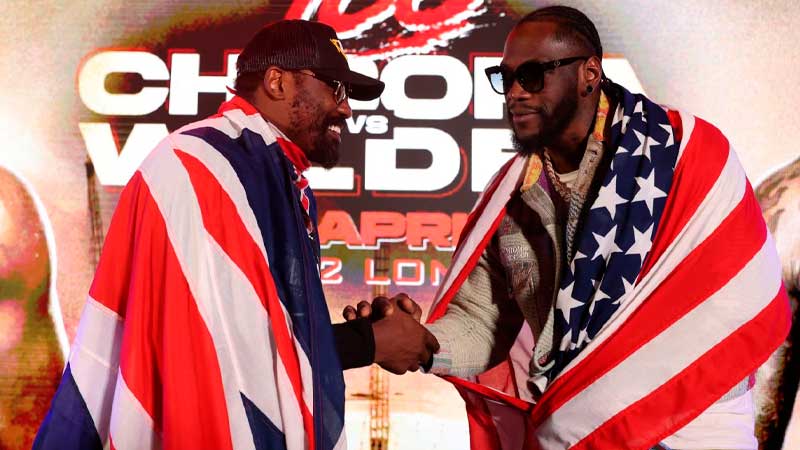
Collectors are gravitating toward dual- or multi-signed items, which combine the star power of multiple athletes. These pieces are seen as both emotionally meaningful and financially valuable, often appreciating faster than single-signed items.
Modern Athlete Focus
While vintage autographs remain iconic, younger fans are increasingly interested in items from current sports superstars, reflecting their passion for the present era of sports.
Authentication and Technology
With growth comes concern over authenticity. Blockchain verification, holograms, and third-party grading services are becoming standard practices, ensuring buyer confidence and preserving market value.
Digital Integration
The rise of NFTs and digital twins allows collectors to link physical memorabilia with a verified digital record. This integration is opening new revenue streams and appealing to tech-savvy buyers.
Global Expansion
Markets in Asia-Pacific, the Middle East, and Europe are seeing rapid growth, fueled by rising sports fandom and increased access to international stars. This is diversifying the collector base beyond traditional U.S. and European markets.
Investment and Strategic Opportunities
For investors and businesses, the market presents multiple opportunities:
Limited Editions: High-value items tied to major sports events or milestones.
Collaborations: Partnerships between brands, athletes, and memorabilia companies.
Digital Collectibles: NFT-linked autographs and blockchain-certified items.
International Markets: Targeting emerging economies with tailored marketing strategies.
Challenges
Despite growth, the market faces hurdles:
Counterfeit and fake autographs remain a concern.
Market saturation for certain athletes could impact long-term value.
The high cost of premium items may limit accessibility for casual fans.
Conclusion
The signed sports memorabilia market from 2024 to 2033 is poised for dynamic growth. By embracing modern athletes, dual-signed collectibles, technological innovation, and international markets, the industry is creating a more diverse, profitable, and globally connected collector ecosystem.
Collectors, investors, and brands that adapt to these trends will likely lead the next decade of growth in the memorabilia market.